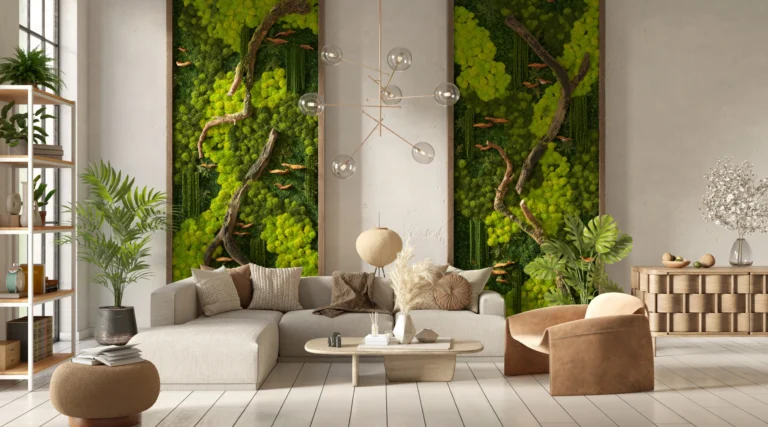
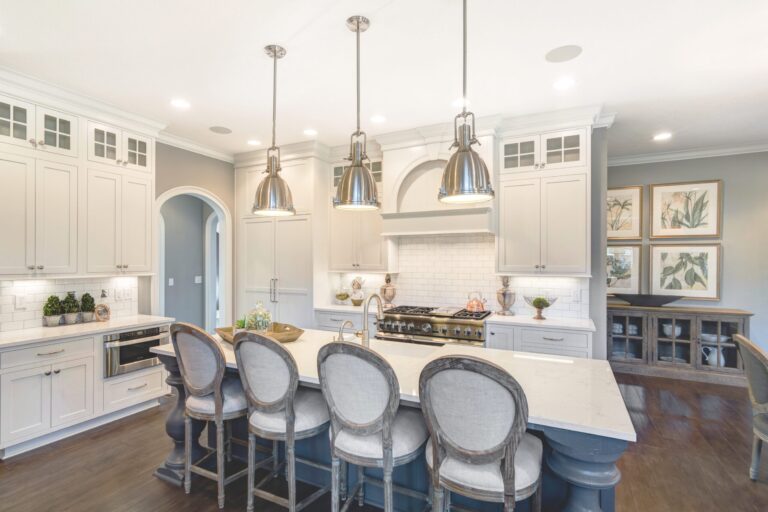
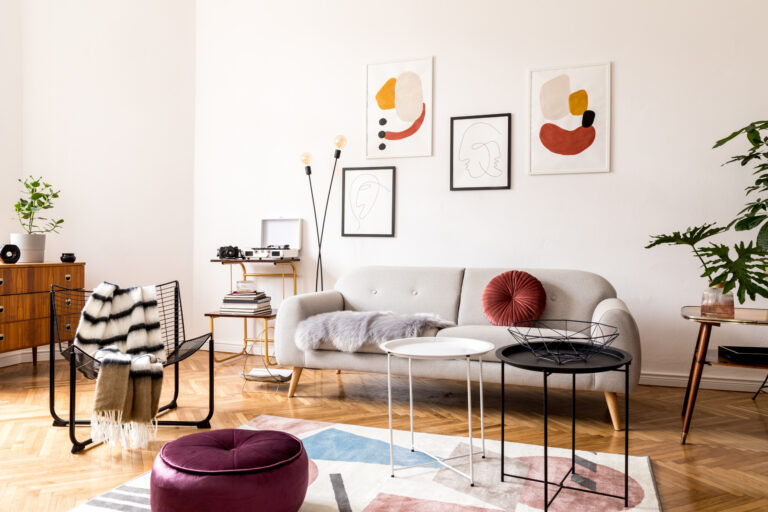
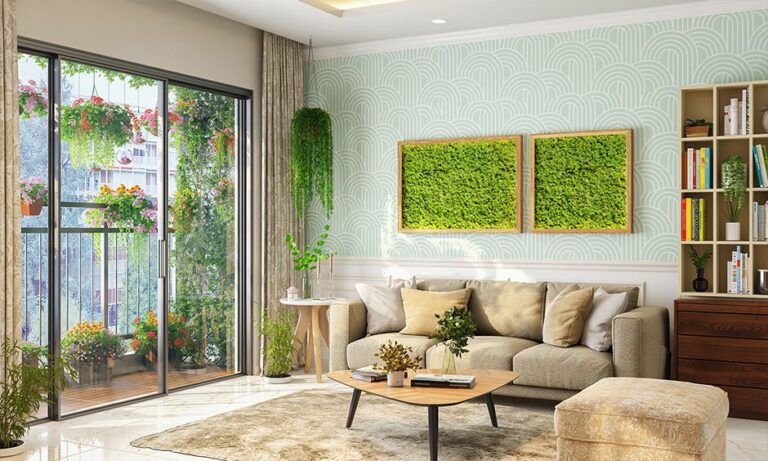
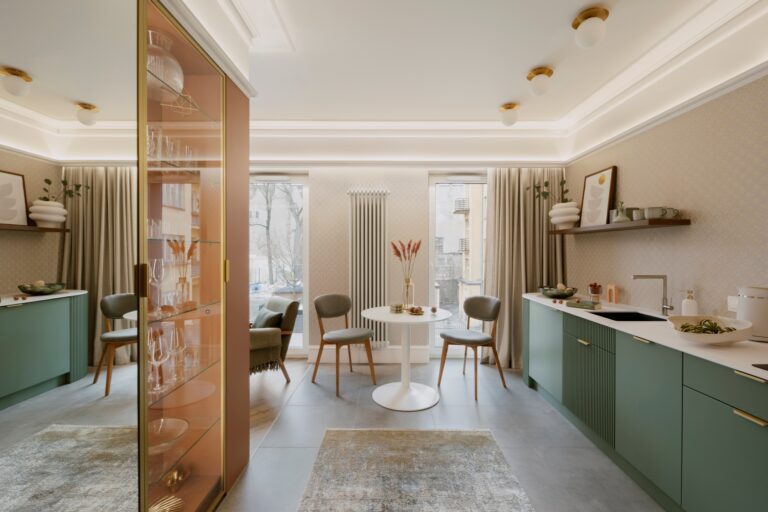
Interior design is the process of planning and creating indoor spaces that are both functional and visually appealing. It combines elements such as colour, furniture, lighting, materials, layout and decoration to create an environment that suits the people using it. Interior design can be applied to homes, offices, restaurants, hotels, retail stores and many other spaces. While appearance is important, successful interior design also considers comfort, practicality and how a space will be used every day.
One of the most important elements of interior design is layout. Before selecting furniture or decorations, it is important to understand how people will move through and use the space. Furniture should be positioned so that it does not unnecessarily restrict movement, while frequently used areas should remain easily accessible. In a living room, for example, seating may be arranged to encourage conversation while still providing a clear view of a television or other focal point.
The size of a room also influences design decisions. Large furniture can make a small room feel crowded, while furniture that is too small may appear out of proportion in a large space. Interior designers consider scale and proportion when selecting furniture and decorative items. The objective is to create balance between the available space and the objects placed within it.
Colour is another major component of interior design. Different colours can significantly change the appearance and atmosphere of a room. Lighter colours can make smaller spaces appear more open, while darker colours can create a warmer or more dramatic environment. Neutral colours such as white, beige and grey are commonly used because they can be combined easily with different furniture and decorations.
Stronger colours can be introduced through feature walls, artwork, cushions, rugs and other accessories. This allows a room to have personality without requiring every surface to use bold colours. A consistent colour palette can also help different areas of a home feel connected.
Lighting has an equally important influence on interior spaces. Natural light can make rooms feel brighter and more spacious, so windows and other sources of daylight should be considered when designing a room. Artificial lighting can then provide additional illumination when natural light is unavailable.
Different types of lighting can serve different purposes. General lighting provides overall visibility, while task lighting is designed for specific activities such as reading, cooking or working. Accent lighting can highlight artwork, architectural features or decorative objects. Combining these different types of lighting can create a more practical and visually interesting environment.
Furniture selection combines appearance with functionality. A sofa may look impressive but provide little value if it is uncomfortable or too large for the room. Similarly, a dining table should provide enough seating without making movement around the space difficult. Good interior design considers how furniture will actually be used rather than selecting items based entirely on appearance.
Storage is another practical consideration. Poor storage can make even a well-designed room appear cluttered. Cabinets, shelving, wardrobes and multifunctional furniture can help keep items organised. In smaller homes, furniture with built-in storage can be particularly valuable. Beds with storage underneath or benches with internal compartments can provide additional space without requiring larger rooms.
Materials and textures add depth to interior design. Wood, stone, metal, glass and fabrics each create different visual and physical effects. Combining materials can prevent a room from appearing flat or repetitive. For example, a room containing smooth walls and simple furniture may become more interesting through the addition of a textured rug, timber furniture or fabric curtains.
Interior design styles also vary significantly. Minimalist design generally focuses on simplicity, clean lines and limited decoration. Modern interiors often use open spaces, neutral colours and simple furniture. Industrial design may include exposed brick, metal and concrete, while traditional interiors can feature detailed furniture, warmer colours and decorative elements.
People do not necessarily need to follow one design style exactly. Many successful interiors combine elements from several styles to create spaces that feel more personal. The important consideration is maintaining enough consistency that the room still feels intentional rather than randomly assembled.
Technology is also becoming increasingly integrated into interior design. Smart lighting, automated blinds, connected appliances and home entertainment systems can be incorporated into rooms while remaining visually discreet. Designers increasingly need to consider access to power, charging locations and technology when planning modern spaces.
Sustainability has also become more important. Reusing existing furniture, purchasing durable products and selecting responsibly sourced materials can reduce waste. Energy-efficient lighting and appliances can also reduce electricity consumption while lowering ongoing household costs.
Ultimately, successful interior design creates a balance between appearance and practicality. A visually impressive room that is uncomfortable or difficult to use has not completely achieved its purpose. Similarly, a practical room can often be improved significantly through thoughtful choices involving colour, lighting, furniture and decoration.
The best interiors reflect the needs and personality of the people who use them. By considering layout, proportion, colour, lighting, storage and materials together, almost any indoor environment can become more comfortable, attractive and functional. Interior design is therefore not simply about decorating a space; it is about creating an environment that improves how people experience and use it every day.