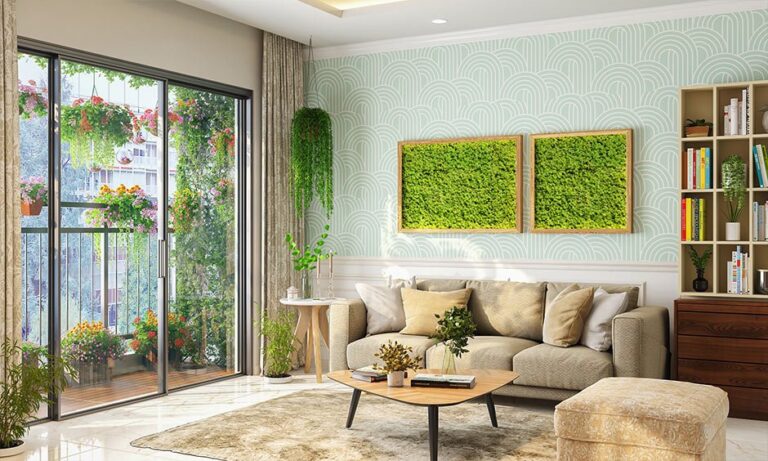
Have you ever walked into someone’s home and immediately felt comfortable without being able to explain exactly why? The furniture isn’t necessarily expensive, the decorations aren’t particularly extravagant, yet everything seems to work beautifully together.
That’s the power of thoughtful interior design.
Many people approach decorating their homes by purchasing individual items they like. They find a beautiful couch, an interesting coffee table, a stylish rug and some artwork. However, when everything comes together, the room doesn’t quite feel right.
The problem is that they’re designing individual pieces rather than designing the space as a whole.
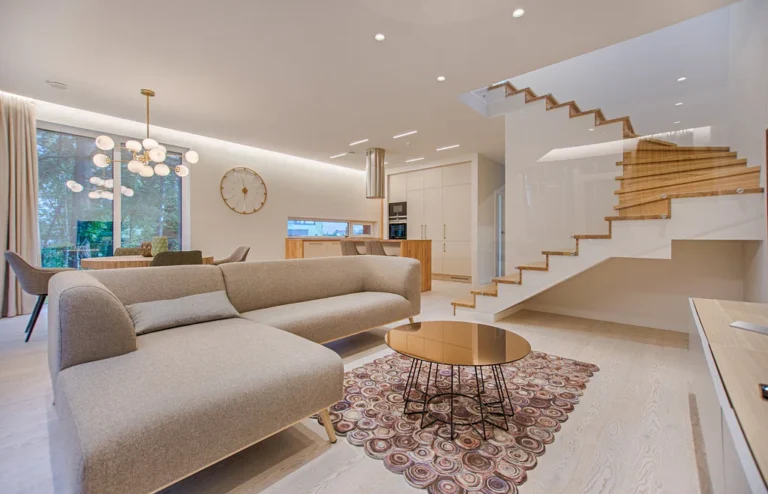
Consider the proportions of your living room. A large couch might look incredible inside a furniture showroom, but place it inside a relatively small living room and suddenly the entire space feels cramped.
The furniture hasn’t changed. Its relationship with the surrounding space has.
This is why understanding scale and proportion is so important. Leaving enough empty space around furniture can make a room feel larger, more inviting and considerably more sophisticated.
And speaking of empty space, not every corner of your home needs to be filled with something.
There’s a temptation to decorate every available surface, whether it’s with plants, ornaments, photographs or furniture. But when everything demands your attention, nothing really stands out.
Sometimes, removing something from a room makes a greater visual improvement than adding something new.
Lighting is another element that can completely transform an interior.
Think about the difference between sitting underneath a bright ceiling light and relaxing beside a warm floor lamp in the evening. It’s the exact same room, yet the atmosphere feels entirely different.
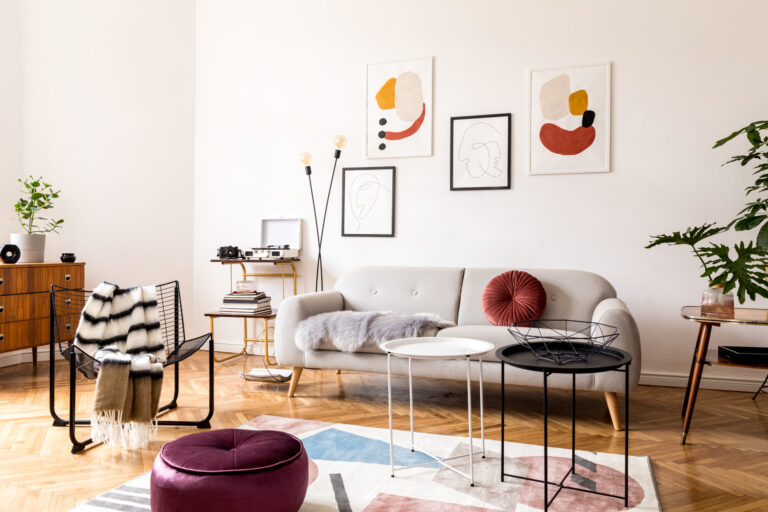
Instead of relying exclusively on overhead lighting, consider introducing multiple light sources at different heights. Table lamps, floor lamps and indirect lighting can create depth, highlight architectural features and make a space feel considerably more welcoming.
Then there’s colour.
Choosing colours independently can result in a room that feels disconnected. Rather than selecting everything individually, establish a consistent colour palette that carries throughout the space.
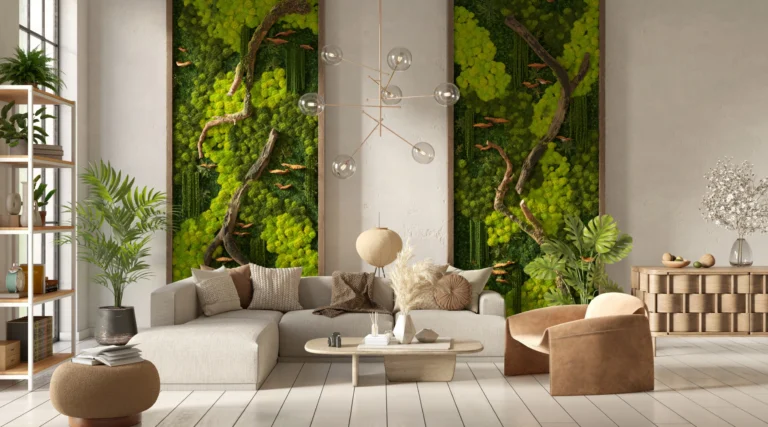
You might combine warm whites, natural timber, soft beige and subtle olive green. Alternatively, darker greys, black accents and walnut furniture can create a more dramatic, contemporary appearance.
The individual colours matter less than how they interact.
Texture is equally important. A room containing nothing but smooth surfaces can feel surprisingly cold, even when the colours are warm.
Introducing linen curtains, textured rugs, timber furniture and woven materials creates visual interest without necessarily introducing additional colours.
But perhaps the most overlooked principle of interior design is understanding how you actually live.
Do you regularly entertain guests? Spend your evenings watching movies? Work from home? Enjoy cooking with your family?
Your interior should support those activities rather than simply looking impressive in photographs.
There’s little value in creating a beautiful living room if the seating is uncomfortable, the lighting is impractical and there’s nowhere to put your belongings.
Good interior design isn’t about replicating somebody else’s home from Pinterest. It’s about creating an environment that complements your personality, habits and everyday life.
Before purchasing another piece of furniture, look around your home and consider what the space is actually missing.
It might not need another decoration, a bigger television or a more expensive couch.
It might simply need better balance, softer lighting and a little more room to breathe.